
Truck Insurance · June 2, 2026 · Wizard Insurance Services
No driver plans to need this article. But accidents happen to careful drivers too, and what you do in the first hour — and what you don’t do — has an outsized effect on your claim, your record, and in serious cases, your legal exposure. Save this list. Better yet, print it and keep it in the cab.
At the Scene: The First 30 Minutes
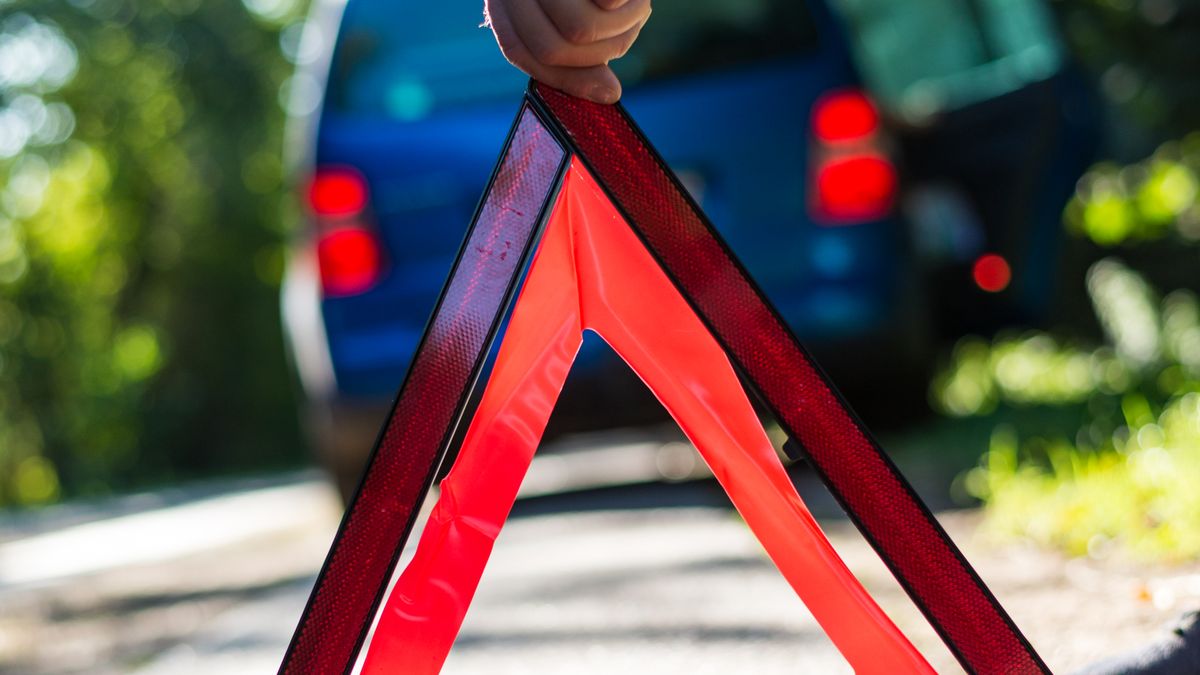
1. Stop, secure, and check for injuries. Move to safety if the vehicles are drivable, set your triangles/flares, and call 911 if anyone may be hurt. Safety first, everything else after.
2. Call the police — always. Even for a minor collision, you want an official report. The other party’s story can change days later; a police report locks in the facts. Get the report number and the officer’s name before you leave.
3. Document everything with your phone. You cannot take too many photos:
- All vehicles, from multiple angles, close up and wide
- License plates, USDOT/MC numbers on any commercial vehicles involved
- The road: skid marks, debris field, traffic signs and signals, weather and lighting
- Your load and trailer condition
- Any visible injuries
If there are witnesses, get names and phone numbers — they disappear fast.
4. Exchange information, nothing more. Driver’s license, insurance, registration, contact details. Be polite, be brief.
5. Do not admit fault — to anyone. Not to the other driver, not in an apology, not on social media later. “Are you okay?” is fine. “I’m so sorry, I didn’t see you” will be quoted back in a claim or courtroom. Fault is determined by the investigation, not by adrenaline at the roadside.
6. If you have a dash cam, preserve the footage now. Save the clip before it loops and overwrites itself. Dash cam footage resolves more disputed claims than any other single piece of evidence.
Within 24 Hours
7. Notify your insurance — and your motor carrier if you’re leased on. Report the accident promptly even if you think it was minor or not your fault. Late reporting is one of the most common reasons claims get complicated. If you’re our client, call us at 818-890-7500 and we’ll walk you through the carrier’s process and stay involved.
8. Follow DOT drug & alcohol testing rules if they apply. Federal rules require post-accident testing in specific situations (fatality, citation plus injury or tow-away). Missing a required test creates problems far worse than the accident itself.
9. Write down your own account while it’s fresh. Time, route, speed, weather, what happened in sequence. Memory degrades in days; claims take months.
What Happens Next: The Claims Process
Your insurer assigns an adjuster who investigates — police report, photos, statements, dash cam footage, vehicle inspections. Liability gets determined, repair estimates are written, and cargo claims (if freight was damaged) run on a parallel track.
During this period:
- Keep records of everything — towing receipts, repair invoices, downtime, rental costs.
- Refer the other party’s insurance company to your insurer or agent. You’re not required to give a recorded statement to the other side’s adjuster, and it’s rarely in your interest.
- Stay off social media about the accident. Adjusters and attorneys read it.
This is also where having an independent agent matters: we advocate for you with the carrier, chase the adjuster when things stall, and make sure the claim is handled the way the policy promises.
Before You Ever Need This List
Three things decide how painful an accident is before it happens:
- Adequate liability limits — protecting your business from lawsuits, not just meeting minimums
- Physical damage coverage that reflects your truck’s real value
- A dash cam — the cheapest claim protection you can buy
If you’re not certain where your current policy stands on all three, that’s a ten-minute conversation. Request a policy review or call 818-890-7500 — we’d much rather check your coverage today than explain a gap after the worst day of your year.