
Truck Insurance · March 17, 2026 · Wizard Insurance Services
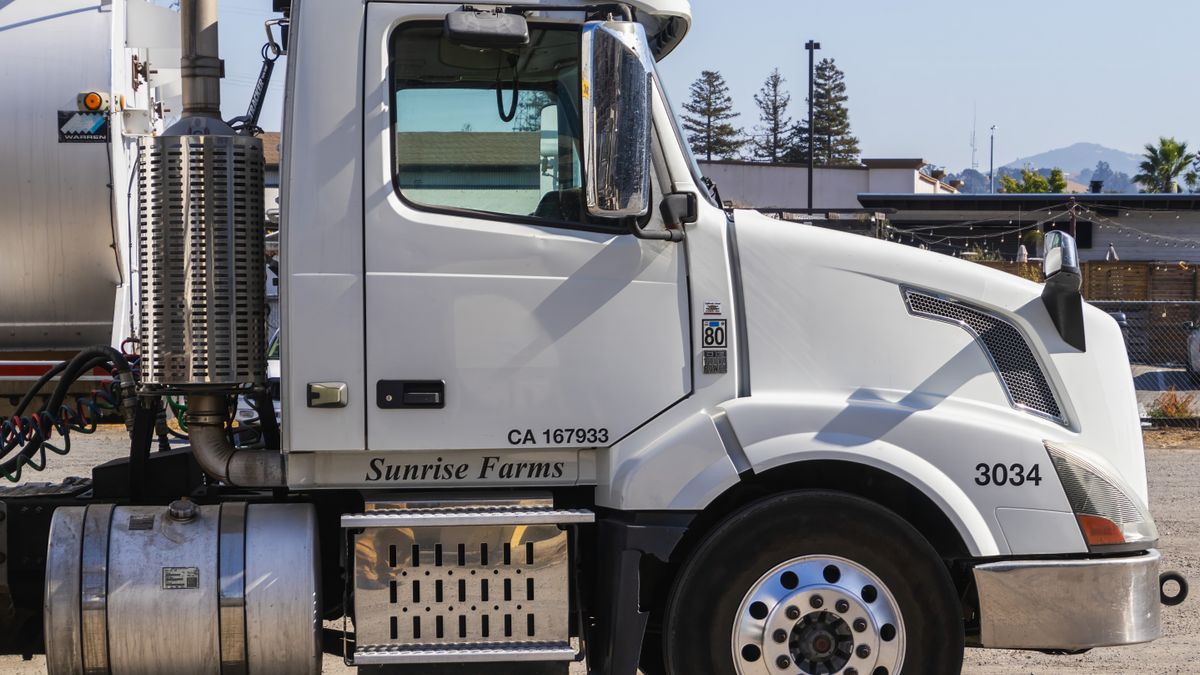
If you’re an owner-operator leased to a motor carrier, you’ve probably heard the terms “bobtail” and “non-trucking liability” used interchangeably — sometimes even by people selling the policies. They’re not the same thing, and understanding the difference can keep you from a serious coverage gap that you won’t discover until after an accident.
First, Understand the Gap
When you lease onto a motor carrier, their primary liability policy covers you while you’re under dispatch — hauling their load, on their business. That’s what the lease agreement and federal regulations require of them.
But your truck doesn’t stop existing when the load is delivered. You still drive it:
- back home after dropping a trailer,
- to the shop for maintenance,
- to pick up your next load,
- to the store on a Saturday.
During those miles, the carrier’s policy generally does not protect you. If you cause an accident bobtailing home and you’re not covered, you’re personally on the hook — and accidents involving a 20,000-pound tractor are never cheap. That’s the gap these two coverages exist to fill.
Bobtail Insurance
Bobtail insurance covers your tractor when it’s operated without a trailer attached — regardless of whether you’re under dispatch. The name comes from the look of a tractor running without its trailer (“bobtailing”).
Typical bobtail situations:
- Driving to a shipper to pick up a loaded trailer
- Heading home or to the yard after dropping a trailer
- Taking the tractor to a mechanic
The key trigger is simple: no trailer = bobtail territory. It can apply even during business use.
Non-Trucking Liability (NTL)
Non-trucking liability covers your truck — with or without a trailer — when you’re using it for personal, non-business purposes. Think:
- Driving home for the weekend
- Running personal errands in the tractor
- Any use that isn’t furthering a motor carrier’s business
The key trigger here is purpose: if the trip has nothing to do with hauling or business, NTL responds. It is not designed for any commercial movement — using it that way is how claims get denied.
The Easy Way to Remember It
| Trigger | Example | |
|---|---|---|
| Bobtail | No trailer attached (any purpose) | Driving back after dropping a load |
| NTL | Personal use (trailer or not) | Weekend trip in the tractor |
The two overlap in some situations, which is exactly why they’re confused — but each covers scenarios the other doesn’t.
Why You Likely Need Both
Most lease agreements require you to carry NTL at minimum, and many owner-operators add bobtail so that every non-dispatched mile is covered from both angles. The good news: both coverages are inexpensive — typically a small fraction of what primary liability costs — because they only apply to lower-risk, non-dispatched driving.
One more thing worth checking: neither bobtail nor NTL repairs your own truck. For that you need physical damage coverage, which protects your tractor and trailer no matter whose policy is primary at the time.
Get the Gap Checked
Every lease agreement is different, and so is every carrier’s primary policy. The only way to know exactly where their coverage ends and yours needs to begin is to read both — which is precisely what we do for our clients.
If you’d like us to review what your carrier’s policy actually covers — and quote the gap protection for whatever it doesn’t — request a trucking quote or call us at 818-890-7500. It’s usually one of the cheapest fixes in trucking insurance, and one of the most important.