Commercial Insurance · April 8, 2026 · Wizard Insurance Services
Many business owners assume their personal auto policy will cover them when they drive for work. In most cases, it won’t. Personal auto policies typically exclude vehicles used for business purposes — and the exclusion usually surfaces at the worst possible moment: after an accident, when the insurer investigates how the vehicle was being used and denies the claim.
That denial doesn’t just mean paying for your own vehicle. If you injured someone or damaged their property while driving for business on a personal policy, you could be personally responsible for the entire liability — medical bills, repairs, lawsuits, all of it.
Signs You Need Commercial Auto Coverage
If any of these describe your operation, you likely need a commercial auto policy:
- Vehicles are titled or registered to your business. Personal policies generally can’t even be written on business-titled vehicles.
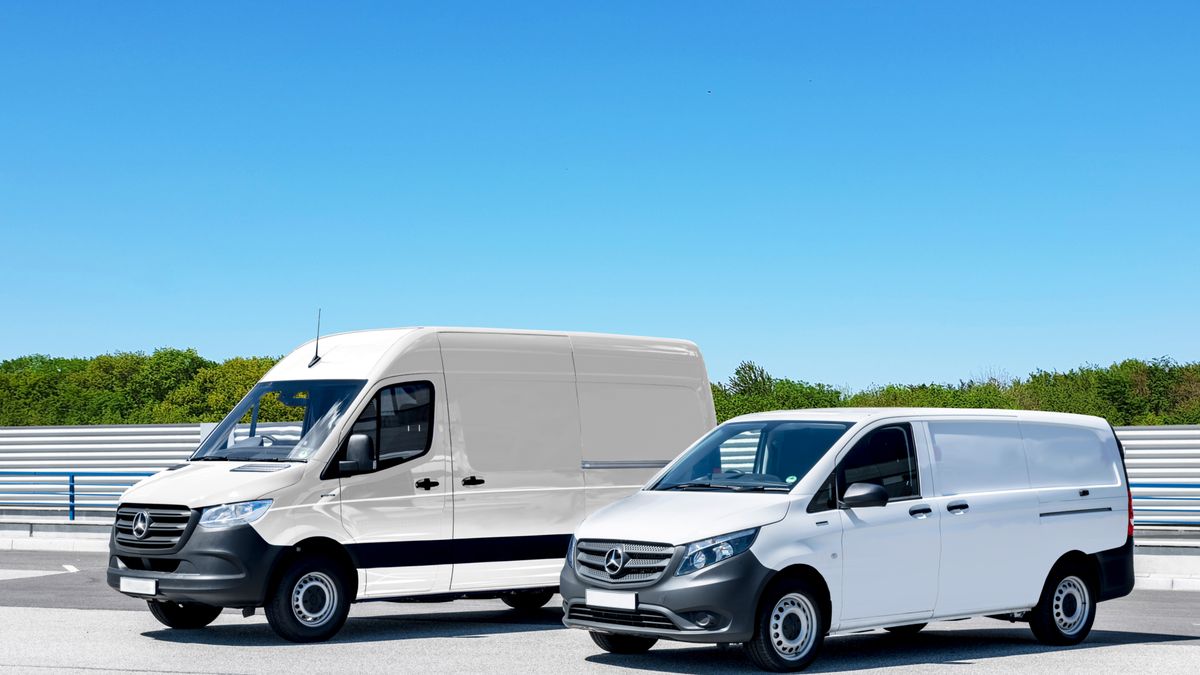
- Employees drive company vehicles — cars, vans, pickups, or service trucks.
- You transport tools, equipment, or goods. A contractor hauling ladders and materials, a caterer delivering food, a mobile groomer — all business use.
- You visit job sites or client locations regularly. Routine business travel is different from an occasional commute.
- Employees use their own vehicles for work errands. This one surprises people: if your employee causes an accident while driving their own car on company business, your business can be sued. Hired & non-owned auto coverage (HNOA) protects you here, and it’s inexpensive.
A simple test: if the vehicle helps you make money, insure it like it does.
What a Commercial Auto Policy Covers
A commercial policy looks structurally similar to a personal one, but with higher limits and business-appropriate terms:
- Liability — bodily injury and property damage you cause to others. This is the coverage that protects your business from lawsuits, and most businesses should carry far more than state minimums.
- Collision and comprehensive — repairs or replaces your own vehicles after accidents, theft, vandalism, fire, or weather.
- Uninsured/underinsured motorist — protects you and your drivers when the at-fault driver has little or no insurance.
- Medical payments — covers injuries to you and your passengers regardless of fault.
Commercial policies can also cover any-driver situations (employees come and go), attached equipment, and higher-value work vehicles that personal carriers won’t touch.
What About Cost?
Commercial auto usually costs more than personal coverage — you’re buying higher limits and broader protection. But the gap is smaller than most owners expect, and it’s a fraction of what a single denied claim would cost. Pricing depends on vehicle types, driver records, how far and how often you drive, and your industry.
Important distinction: if you operate as a motor carrier or owner-operator hauling freight for hire, you don’t need a standard commercial auto policy — you need dedicated truck insurance with FMCSA-compliant liability limits and filings. They are very different products, and using the wrong one can leave your authority out of compliance.
Not Sure Where You Stand?
The line between personal and business use isn’t always obvious — a realtor driving clients, a side business making deliveries, an LLC that owns one pickup. Getting it wrong in either direction means either an uncovered claim or paying for coverage you don’t need.
Every operation is different. Our licensed agents will review how you actually use your vehicles and recommend the right structure — no more, no less. Request a quote or call 818-890-7500 to talk it through.